

By Ella Weidenhammer '27, staff writer
With high school graduations happening all over the nation in the upcoming months, high school seniors are starting to finalize where they will decide to thrive and build up a new life for themselves when they enter their new home at their chosen college.
While choosing a college, most high school athletes like the idea of finding a college where they can also play their sport. Close to 7-percent of high school athletes play in college. With around 530,000 collegiate athletes in total, Division III stands alone with the largest percentage of athletes sitting around 39-percent of the total membership.
But what makes Division III stand out to athletes?
LVC is one of many colleges and universities to be a part of the Division III level to house 26 varsity sport teams that play in the Middle Atlantic Conference, which includes 12 women’s teams and 14 men’s teams. These sports host approximately 40-percent of the student population, which shows the significance of student engagement in athletics.
“I chose to play Division III because it allowed me to have a balance between academics and competitive athletics as well as giving me a close-knit environment which made the college transition easy,” Rebecca Lane, a senior on the LVC field hockey team, said.
Out of 13 responses to a La Vie survey, 84.6-percent of these athletes said they chose to come to a Division III school, like LVC, because of the ability to balance sports and academics and LVC’s team culture.
“I chose to play Division III ice hockey because I love ice hockey first and foremost,” Norah McCauliffe, a junior on the women’s ice hockey team, said. “I didn’t feel ready to end my athletic career when I thought I had more to learn as an athlete. As a freshman, playing a sport also provided comfort in knowing that I have a community before stepping foot on campus.”
In recent years, coverage of Division III sports has increased with many more websites covering athletics to different social media pages covering all different Division III sports.
“I believe Division III athletes are extremely dedicated to taking academics extremely seriously while continuing on the sports they love,” stated a first-year on the LVC baseball team.
“Many people see Division III as a glorified high school environment, when in reality it is much more than that, and you will become family with the guys you work your tail off for.”
Although Division III sports tend to group this division as a “glorified high school” environment, these athletes put in a lot of time and effort as well to help be a part of a successful team.
“Our practice schedule is grueling, and we are still able to compete in playoffs each year,” Elizabeth Morgan, a junior lacrosse player, said. “It is still a large time commitment and we take it seriously, even though it is not always seen that way.”
One element that has made it hard for Division III sports to truly gain the attention it deserves is how they are perceived. All of those surveyed agreed that Division III sports are or somewhat misunderstood to people who do not play.
“I think people underestimate the time and effort DIII athletes put into their sports,” a junior on the softball team said.
In athletics, division does not necessarily equal ability level.
“I think there’s a stigma that it’s the ‘lowest level’ for a reason and division three isn’t respected as much,” Autumn Garges, a runner for LVC’s track and cross-country teams, said.
Division III has many competitive and talented athletes as well as conferences all over the nation. Many teams add higher division teams to their preseason schedule or play these teams early in their season.
“We even see that here in preseason when we scrimmage Division II teams and now we’re even seeing a Division III women’s basketball team, Scranton, even beating Division I teams and dominating their own conference,” Claire Weidenhammer, a junior and rising captain on the field hockey team, said.
Division III athletics also have a great sense of community. Teams at this level often are able to build tight-knit cultures where relationships between teammates and coaches thrive. Athletes are able to compete because they are passionate, which often leads to a more genuine and rewarding experience.
“It’s awesome,” a women’s soccer player said. “All the athletics staff take good care of you, and you can balance academics with athletics and have a social life.”
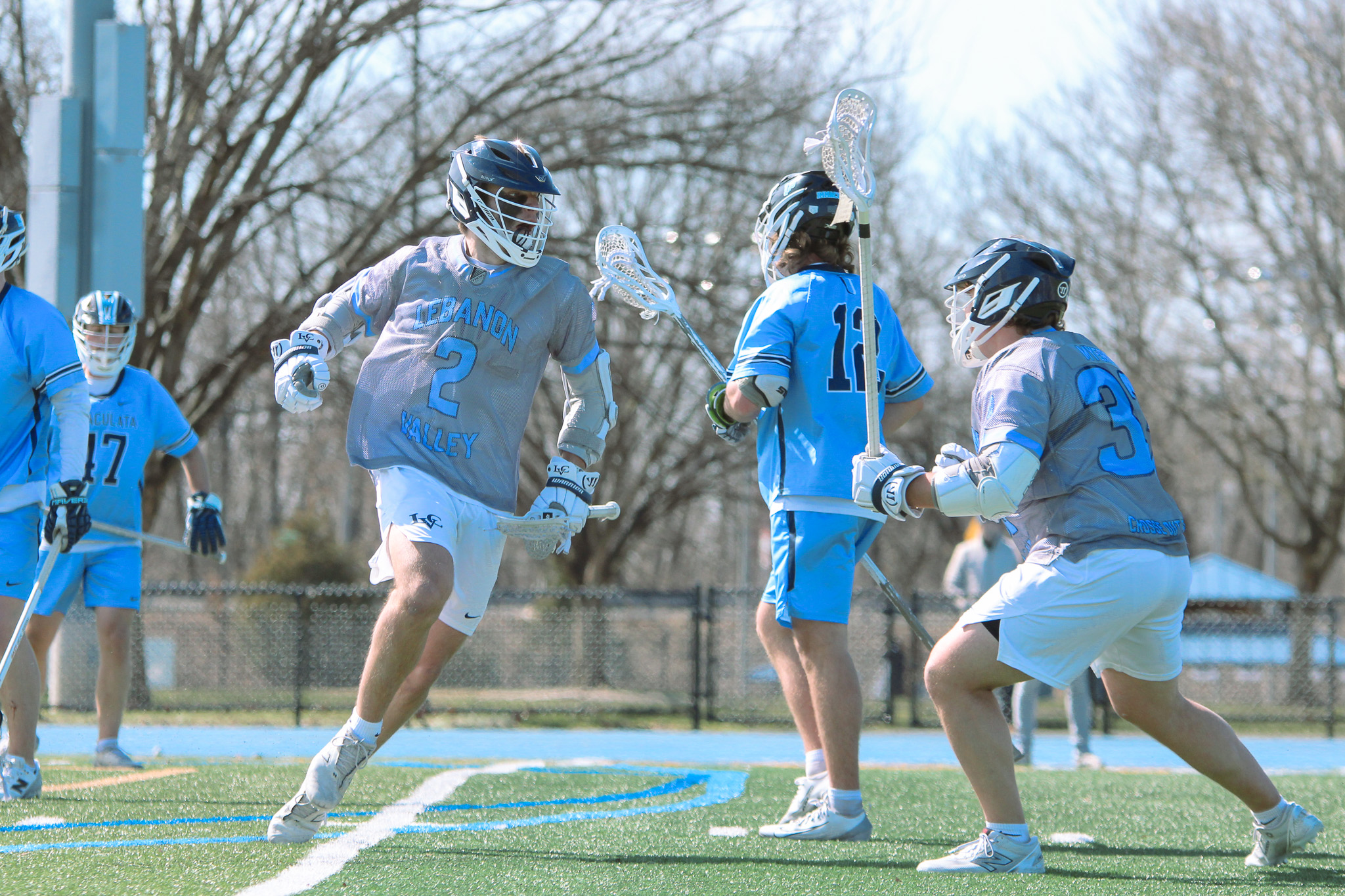
“If you really love it, then all the days of lifts and just really hard practices are all worth it,” Shea Makosy, a junior men’s lacrosse player, said. “It’s all worth it because when you go through all those tough days with the people you’re surrounded by, they become your best friends. Which makes it all worth it.”
Overall, Division III sports have a lasting impact on student-athletes. The lessons learned extend far beyond the field, preparing them for success in both their professional and personal lives.