

By Dylan Miller '29, special contributor
Sports are a major part of a student-athlete’s journey, especially in the later high school and college years.
They help students build discipline, work ethic, physical fitness, and offer potential collegiate scholarships and the opportunity for a professional career. However, the experience of playing sports in college differs significantly from high school athletics, both in the demands of the sport and in the classroom.
On the athletics side, competitiveness and training volume are both noticeably different between college and high school sports. In high school, sports teams are very inclusive, as they allow all students to participate or try out, regardless of their skill level and experience.
Students participate for fun, general exercise, or because they are looking to move to the next level in college. In college, there are higher expectations, and there is a higher workload, as athletes are more qualified.
“The biggest thing is the volume of training has been higher and more consistent,” Eric Shelton, a 5th-year cross country and track and field athlete at LVC, said. “I used to take off at least 3 weeks in between seasons during high school. I don’t think I’ve had a 3-week break since I started college.”
Different collegiate levels also have different levels of intensity. At the NCAA Division I and II levels, athletes are recruited by colleges if they showcase a high skill level in their respective sport, and athletics are often the main focus. The Division III level is different in the way that it has athletics take a backseat to academics and the way that recruitment is less rigid.
“Division I athletes are bigger, faster, and stronger - for the most part at the start of their careers. Division II is an interesting middle ground. Not as well-funded, not as strong as Division 1 but sometimes not as strong as Division III,” Ryan Miller, an athletic director at Scotch Plains-Fanwood High School in New Jersey, said. “Overall, Division I and II are athletics focused first, academics second. Division III is academics blended with athletics. DI and DII kids could be seeking advancement athletically beyond college, while most DIII are seeking just four or five more years in a sport they love.”
Furthermore, collegiate student-athletes are completely accountable on their own for the first time.
"Throughout high school, most athletes have a parent or adult managing their arrival, pickup, and time management for school and social life," Miller said. "College makes that turn to the athlete having to make their schedule, be on time, and get to places without the adult safety net. Also, once in college, the athlete is treated as a self-responsible adult. It is their responsibility to study well, stay out of trouble, and be at the right place at the right time. “
In general, a major difference is that student-athletes are more responsible for time management in college compared to high school. High school practices almost always occur after school for about one to two hours depending on the sport. Games/meets are usually held once or twice a week, and each season lasts roughly three months out of the school year.
High school athletics are specifically structured around school, not the other way around. College athletes follow a very different schedule that almost works like a full-time job. While they’re in-season, they might train multiple times a day, travel on a weekly basis, and receive emails from coaches including workouts and mandatory assignments like team meetings and film sessions. All of these are scheduled without classes in mind, and it’s up to the athlete to make it all work. Depending on the athlete, they may adjust to college life better than others.
“The inherent flexibility in a collegiate athlete’s overall schedule, compared to being tethered to a classroom all day in high school, might allow for the expectations to be more evenly dispersed throughout the day,” James O’Brien, LVC's cross country coach, said. “In this way, the time commitment, even if increased in actuality, might not be felt as much as one might think.”
Juggling school and sports takes a lot of hard work at all levels of education, but it becomes especially challenging in college. High school students have a more structured schedule, having the same classes every day at the same time. College athletes must independently juggle a more rigorous academic schedule, with different classes on different days in addition to more intense sports obligations. When student-athletes go to college, time management between their sports and school becomes more crucial to the success of their college experience and more difficult to maintain.
Training intensity also changes during the transition between the two levels. High school coaches are often teachers or staff members who may have some experience or passion for the sport, but they may not always have elite-level training. While in college, coaches are full-time, passionate, experienced professionals in their respective sports. Collegiate athletes also often have additional access to athletic trainers, nutritionists and strength coaches to maximize performance and recovery, a luxury that most high school athletes don’t have.
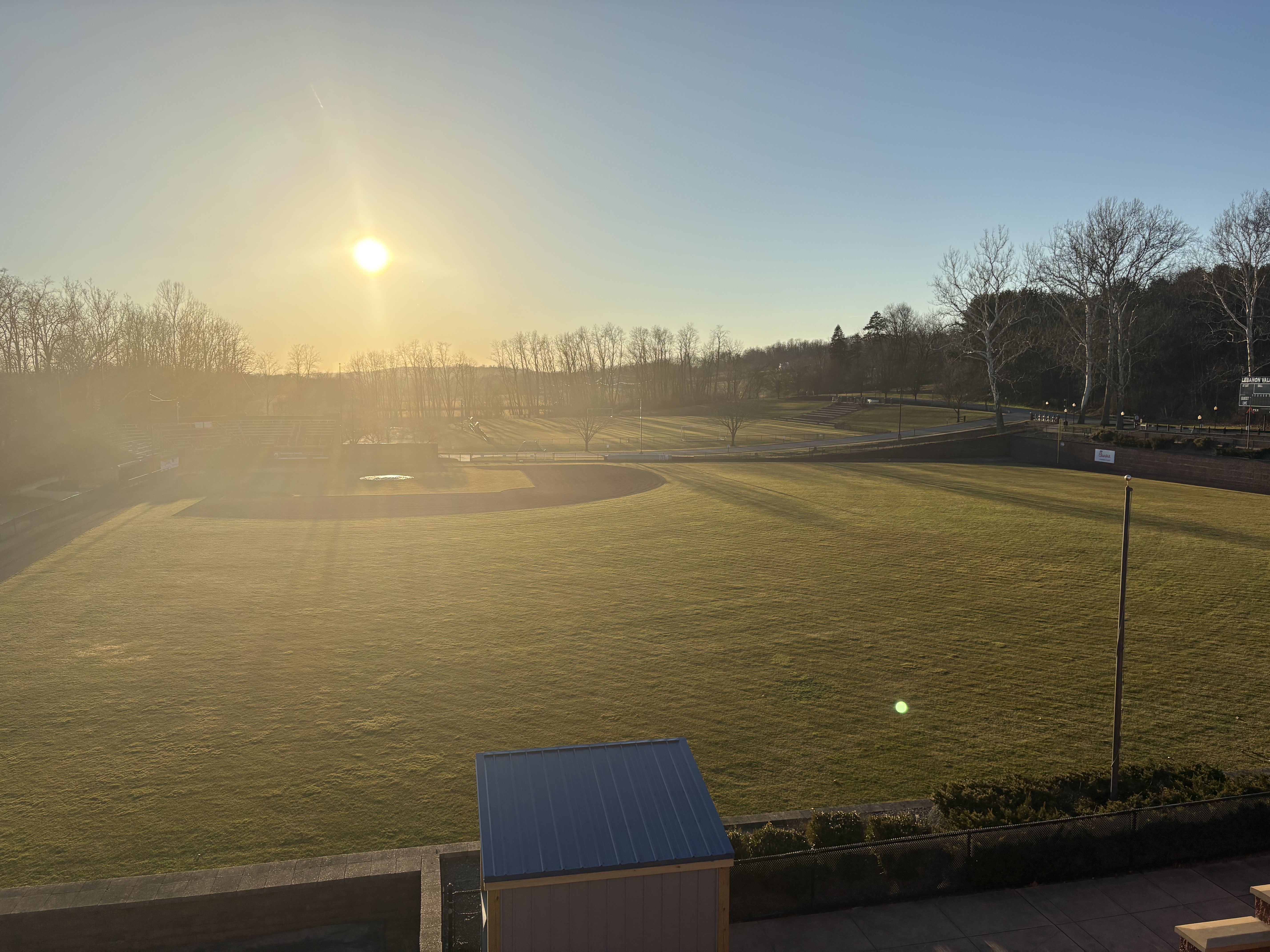
Colleges will typically offer more advanced facilities, which will vary depending on the school’s budget and location. Big colleges with top athletic programs often have top-of-the-line facilities such as training centers, rehabilitation rooms, and weight rooms. Athletes at a high-level Division I college work with clean turf or grass fields that have maintenance work done on them on a consistent basis.
Being a student-athlete in high school and college gives the individual a lot of valuable experiences, but both require a lot of focus and hard work. High school follows a more structured schedule that is easier for the student-athletes to maintain and is less rigid in athletics, while college athletics are more competitive and students need to manage their own time.
“It was less of a commitment in high school on both ends. In college, both of them are huge priorities, so that definitely made managing schoolwork more difficult,” Shelton said.
For high school student-athletes considering moving on to participating in a collegiate sport, understanding these differences is imperative for athletes.